
What if rebellion wasn’t about breaking rules—but about breaking patterns that keep you small, disconnected, and stuck?
In a world that quietly conditions us to accept less, fear more, and look outward for validation, the real act of defiance is choosing to evolve.
This post explores twelve pathways of rebellion—not against authority (necessarily), but against the internalization that shapes how we see ourselves, meet our needs, relate to others, and show up in the world. From dismantling victimhood and toxic ego to being soul centred, these pathways invite a deeper, more demanding kind of engagement—one that doesn’t just change your life but positions you to take part in changing the world itself.
Related Posts: This is part of a series about the REBEL SOUL. Click here for clarification on what I mean by SOUL.
Twelve Pathways of Rebellion
Becoming a Better Self by:
- Recovery from Victimization, Survival and Trauma through healing trauma, ending patterns of victimization, building self-protection, developing healthy expectations, and moving beyond survival patterns.
- Breaking Away from Toxic Ego and External Expectations by releasing fear-based identity, entitlement, domination patterns, and external conditioning and conforming so that a more conscious self can emerge.
- Ensuring Core Needs and Human Developments by building physical, emotional and social, health, integrity, resilience, maturity, and the internal foundations to function well for ourselves and others.
- Shifting to Soul Centered as one’s primary source, and developing inner alignment, authenticity, presence, meaning, spirituality, intuition, and connection to the deepest essence of who we are.
Creating Better Lives by:
- Nurturing Relationships that support the needs and developments of partners, children, family, and friends while releasing and shifting dysfunctions and destructiveness.
- Contributing Meaningful Work, Livelihood & Leisure by exploring purpose, contribution, creativity, restorative leisure, meaningful work, and life-giving forms of engagement.
- Stewardship of Money and Other Physical Resources such as money, possessions, resources, while considering consumption, sustainability, and long-term thinking and avoiding what is shiny and short sighted.
- Community Involvement, Participation and Engagement to build belonging, participation, local connection, mutual support, hospitality, and healthy community life that supports and sustains the needs of members.
Contributing to a Better World by:
- Enlightened Leadership by bringing humanity, ethics, consciousness, relational intelligence and future impact into families, business, organizations, and systems.
- Gaining Systems Thinking and a Global Lens on situations and societies relative to complexity and understanding, inequality, power, culture, media, economics, oppression, and the complexity of the larger world.
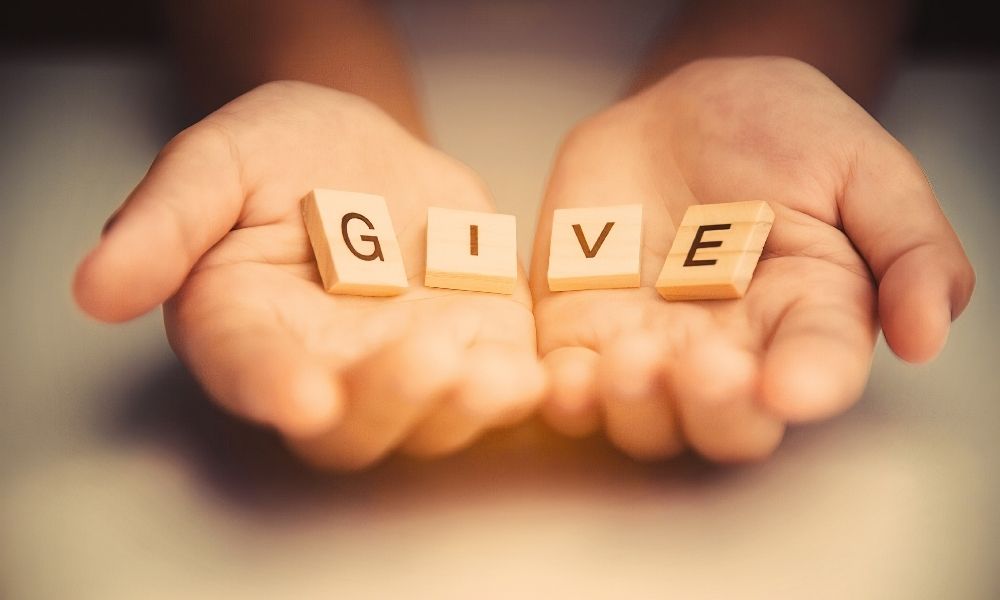
- Service to Others with Time, Talents and Tithing by participating in the common good through generosity, contribution, reciprocity, and meaningful service (in our small corner).
- Supporting Social Awareness, Allyship and Action by engaging issues of inequality, inequity, exploitation, oppression, and injustice with greater awareness, courage, and consciousness.

A Few IMPORTANT Things to Keep in Mind About the Rebel Soul Pathways
Before jumping into the different pathways, it’s important to keep a few things in mind.
First, there is a difference between having a rebel soul moment and being a REBEL SOUL. Of course, rebel soul moments are fantastic. And often, we move through some of them before gathering the courage and commitment to lean in more consistently on a pathway.
Second, it is a list of pathways that are possible. It is not the be-all end-all list to end all lists. There are always multiple ways to organize and categorize things—this is just one way.
Third, the pathways are overarching. There are many, many, rebellions that fit within each of these pathways, and many rebellions overlap across more than one pathway.
Fourth, the list is not meant to imply a hierarchy of value, importance or superiority in any way. Engaging with some pathways is not more important or valuable than other pathways. They are all valuable and important in different ways.
Fifth, the list is not meant to suggest that we must engage with all the pathways to being a REBEL SOUL. That simply isn’t true. Often, as we start to develop ourselves along one pathway, it leads to interest and a pull to develop ourselves and engage along another pathway. Similarly, attempts to move forward on one pathway may require that we also visit or revisit another pathway in order to move forward well. For example, to be a truly effective parent, we may need to spend some time on the pathway of victimization or ego. Just as there are seasons to life, there are often seasons to our engagement with various pathways as well. Over time, there is often an evolution from self, to life, to world.
Sixth, the list of pathways might seem daunting, but isn’t meant to be. It’s meant to capture the whole picture. But, looking at the whole picture is a really good way to overwhelm ourselves if we’re not careful. (I’ve done it myself many times).
Try to look at the list of pathways with curiosity and from the perspective of where you are leaned in rather than all the places you aren’t.
Being a REBEL SOUL is not about arriving it is about evolving and maturing and that is ongoing.
We may not have taken a thousand steps down a pathway, and we may only be on one pathway and not all twelve, but if we’ve started, we’re leaned in, and we’re evolving toward more conscious relating and creating then we’re a REBEL SOUL. (To better understand conscious relating and creating- see others previous posts.
A Rebel Soul Usually Starts with Self
Being a REBEL SOUL is daring in numerous ways including that they are typically called to work first with and on themselves. They may want to change things around them like people, relationships, unfair policies, corrupt governments, etc. They may have spent time and energy already trying to. But they come to understand that change, all change, starts with the self. Because who they are, where they are coming from, and how they are going about things makes all the difference. So, they make their personal growth and development central.
They eventually understand and accept that they have places, within themselves perhaps many, that do not come from conscious relating and creating. They have shadows. They get stuck denying, avoiding, and defending instead of growing. They falter with responsiveness, don’t take necessary actions, and blame others. They lack awareness, stay oblivious unless things concern them, and make significant errors in judgement. They become disconnected from themselves, others, and the larger world. They lack wholeness and operate in extremes, sacrificing parts of themselves. They are difficult, perhaps even harmful rather than cooperative. They lack progressiveness and participate in the status quo even when they know it’s wrong or don’t stand up when it’s needed or really counts.
As they become aware of places within themselves which aren’t coming from conscious relating and creating, they initiate a rebellion within to slowly dismantle that which is not conscious, and work to develop and animate that which is, or simply to expand their consciousness further.
As part of becoming better selves, a REBEL SOUL might engage in any of four pathways and may do so in a bit of a stepwise fashion.
When I was a young man, I wanted to change the world.
I found it was difficult to change the world, so I tried to change my nation.
When I found I couldn’t change the nation, I began to focus on my town. I couldn’t change the town and as an older man, I tried to change my family.
Now, as an old man, I realize the only thing I can change is myself, and suddenly I realize that if long ago I had changed myself, I could have made an impact on my family. My family and I could have made an impact on our town. Their impact could have changed the nation and I could indeed have changed the world.Unknown Monk 1100 AD

⇒ Becoming a Better Self by Recovery from Victimization, Survival and Trauma
Victimization and functioning in survival dramatically impact our brains, nervous systems, and overall development. This changes and compromises how we function, the lives we create, and what we contribute to the world.
Sadly, many people have been harmed in a multitude of ways. The known statistics of various types of abuse and neglect, lack of necessities of life, addictions, mental illness, poverty, inequality, bullying, injustices, natural disasters, trafficking, assaults, etc., are alarming. Or at least they should be.
The harm doesn’t just go away. It imprints us, especially when it occurs in childhood while we are still undergoing development, although we often don’t realize the extent of it. The impact can be specific to a few places but is often global to our functioning.
While it isn’t an easy journey to come into recognition that we have been victimized or are otherwise operating in survival (and potentially harming others) to whatever degree, a REBEL SOUL is able to let that awareness break through the surface even when it’s painful. They take responsibility (while recognizing that it isn’t their fault) for identifying and healing so they and those around them are no longer lessened by it.
These rebellions are some of the most difficult to move through for a couple of reasons. If there is still an active victimizer involved, the first step is freeing oneself which is often easier said than done. They also involve significant time in the restoring phase of rebellion (renewing, reflecting, and a lot of releasing) before any restarting can happen. And, we very often need to release survival patterns that we have unconsciously taken on.
These blog posts specifically related to toxic stress, trauma and complex trauma reflect the kind of victimization and survival that often requires recovery.
Example Rebellions
- Getting support and moving oneself out of situations of recurring victimization such as domestic violence, sex trafficking, emotionally abusive relationships, toxic work environments, harassment, etc.
- Learning the many signs of unsafe or toxic people and relationships and how to protect oneself.
- Accessing law enforcement and court systems to hold victimizers accountable.
- Breaking intergenerational cycles of harm e.g., abuse, addictions, etc.
- Releasing oneself from victimization and victimizer with strong boundaries and potentially forgiveness.
- Recovery from toxic stress and burnout.
- Recovery from addictions.
- Recovery from trauma, no matter the cause.
- Recovery from complex trauma, that often occurred in childhood, with more global impact on the self and one’s functioning.
- Addressing insecure attachment styles and issues.
- Recognizing when we are self-identifying as a victim when we or are no longer being victimized and doing the work to regain self and self-efficacy.

⇒ Becoming a Better Self by Breaking Away from Toxic Ego and Societal Pressures and Expectations
The word “toxic” means harmful, manipulative, negative, and causing long term damage, or unhappiness. Unfortunately, there are sources of potential toxicity within us and within the larger external pressures, messages and expectations that we receive. The two also relate and reinforce each other.
Within us, we all need some degree of healthy ego that is grounded, secure, and provides us with confidence while contributing to our resilience. A healthy ego allows us to have a sense of our worth without needing constant external validation; a realistic balanced perception of self, including shortcomings, accepting criticism, admission of mistakes and taking responsibility, motivating ourselves toward goals, exhibiting resilience and adaptability in the face of challenges, and balancing needs and experiences of self and others.
But a toxic ego is insecure. It tends to be self-centred, validation seeking, avoidant of personal responsibility, lacking empathy, and defensive, either through inflating (arrogance, entitlement, superiority, self-promoting, exploitiveness, or diminishing others), or fragility (feeling sorry for self, high sensitivity, expecting to be taken care of, diminishing self often to gain support of others).
A healthy ego allows for growth, development, and evolution, while a toxic ego does not.
Within the larger external messages, pressures and expectations we receive, there can be considerable toxicity that disregards, distorts, or dictates the terms of our inherent worth and our place in the world relative to others. This can happen inside any system, whether a family, a school, a community, a culture or religion, or a society.
There are countless ways this shows up in messages, that our worth/acceptance/belonging is based on perfection and not having any ‘problems’; achievement, performance, or status; suppressing our feelings or concerns; meeting certain physical characteristics and beauty ideals; conforming to the gender, sexuality, and relationship norms; accepting diminished relative status; not questioning rules and authority; and otherwise adhering to the status quo.
As it all becomes layered, it further compromises healthy ego.
The REBEL SOUL engages in an examination and dismantling of toxicity, both within their own egos and the larger messages, pressures and expectations.
Example Rebellions
- Noticing the ways one’s ego behaves by inflating or being fragile because of insecurity.
- Releasing patterns of inflating such as self-centredness, validation seeking, defensiveness, arrogance, entitlement, superiority, self-promoting, diminishing others, or avoiding personal responsibility.
- Releasing patterns of fragility such as self-centredness, validation seeking, defensiveness, feeling sorry for self, high sensitivity, expecting to be taken care of, diminishing self, or avoiding personal responsibility.
- Coming to recognize, take responsibility and make repair for the ways others have been impacted by our behaviors from ego toxicity.
- Doing the work to develop a healthy ego.
- Rejecting the larger toxic messaging related to perfectionism, achievement, performance or status, suppressing emotions or concerns; meeting physical characteristics and beauty ideals; conforming to gender, sexuality and relationship norms; not questioning rules and authority; or adhering to the status quo; and developing and living through healthier, more balanced beliefs.
- Learning about the different groups that are “othered” in society and coming to see it clearly.
- Recognition and deliberate shifting of the ways we might engage in “othering”.

⇒ Becoming a Better Self by Ensuring Core Needs and Human Developments
We all have core needs: necessities of life, safety and security, care and belonging, regard and reciprocity, stimulation, and stillness; as well as support, a sense of community, and sacred nourishment. (This is but one list among many different versions of a core needs from different authors). .
For many of us, for a whole variety of reasons, our needs may be confused and often frustrated.
We may have suppressed them. As part of this, we may have been told they were wrong or we were wrong for having them.
We may not understand them. We may not recognize that we have a bunch of different needs or know how they are related to one another. We may not know how to read our own signals about a need arising. As part of this, we may have them mixed up with our wants, which can be especially common when they have been contaminated within the larger culture of capitalism.
We may not know how to communicate them.
We may not know how or be able to meet them or have them met.
We may even have given up, at least partially.
At some point, a REBEL SOUL starts to engage differently with the notion of core needs.
They lean into understanding and supporting needs. Perhaps not all at once. And perhaps not easily at first. But they do lean in.
They learn about them. They get to know themselves. They strip away the supposed needs which are often “wants” that may have been put upon them by the larger culture and even by those closest and well-intended. They take responsibility for knowing and meeting their needs, sharing them with the important people in their lives, and for doing so in a way that takes others and their needs into consideration.
On some level, they come to fundamentally recognize that core needs are important and essential.
So, they do the learning and the practicing of sorting, understanding, and supporting core needs in themselves.
While they may not focus on all of the core needs, they focus on enough of them to keep their growth and development flowing. As part of this, they often tend to put emphasis on the core need of sacred nourishment, which supports animation of the soul, either because they are taught to or instinctively find themselves there.
A REBEL SOUL also understands that there are many human developments that impact their capacity to be a person who relates and creates consciously. Having stability, adaptability, emergence, integrability, relationality, civilness, and spirituality along with their many aspects is not a given.
The core developments do not unfold entirely even if all our childhood needs are met, although that contributes. Intentional and continued development is an important part of growing and maturing as a person through the various stages of life.
Given this, bit by bit, a REBEL SOUL engages in understanding and growing these areas within themselves.
Example Rebellions
- Developing one’s ability to discern between needs and wants.
- Increasingly focusing on meeting core needs and releasing wants.
- Redesigning one’s eating patterns to reflect primarily nutritious and essential food in the required quantities to stay healthy.
- Shifting internal thinking or external expectations to ensure reasonable levels of stress.
- Deliberating developing a sense of community.
- Establishing a balance between stimulation and stillness within one’s daily or weekly life.
- Prioritizing providing oneself with sacred nourishment e.g., solitude, nature, meditation or prayer, relationships, or religious service or rituals.
- Working to improve one’s capacity for adaptability and resilience.
- Practicing learning new things and risk taking to grow one’s emergence.
- Expanding one’s sense of agency and autonomy.
- Finding, expressing, and living one’s authenticity.
- Working to understand attachment and become better at engaging in relationships with care and attunement.
- Expanding one’s recognition and respect for the dignity, needs, rights, and capabilities of others.
- Exploring and growing in one’s spirituality, through practices and cultivation, developing soul qualities, and maturing spiritually.

⇒ Becoming a Better Self by Shifting to Soul Centered
For more serious or evolved REBEL SOULs, there comes a point where the soul becomes integral and they shift to being soul centred. Although in earlier places in their evolution, soul was an influential part to varying degrees alongside the personality; things shift later on. Whether naturally because of maturation and evolution, or consciously through ongoing intention and effort to function primarily from soul, the soul becomes the central aspect.
Essentially, there is no longer any push and pull between the personality and soul—between the human reality and the soul’s foundational imprint. Dynamically, this might work in a number of ways such as the soul infusing the personality, the personality becoming subsumed by the soul, the personality slowly diffusing, or the two somehow integrating.
Ironically, after this, everything is a rebellion but feels much less like a rebellion. Everything is a rebellion because it comes from conscious relating and creating, and this goes against the norm of life and society in many ways. But it no longer feels like such a rebellion because the individual is no longer engaged in ongoing internal transformation to align with conscious relating and creating—they are largely aligned. It also feels less like a rebellion because the individual who has become soul centered weathers the tension of transformation in their lives and the larger world with much more grace and ease.
Example Rebellions
- Softening one’s self-protections to pave the way for deepening connection to self, others, life, the sacred, and the world.
- Paying attention for ways that we might unintentionally disempower others and shifting them.
- Deliberately seeking the wonder and awe in the everyday.
- Actively seeking and considering some constructive feedback from someone you trust regarding where you are less conscious than you could be or think you are.
- Challenging ourselves to lean into building cooperativeness, especially in the midst of conflict.
- Committing to considering our thinking, choices and behaviors in terms of their long-term rather than immediate impact.
- Incorporating the wisdom of a select mystical master into one’s knowingness about life.
- Embracing an aspect of self that is unhealed, including any related shame.
A Rebel Soul Moves Outward into Life
A REBEL SOUL may start by trying to change an aspect of their lives or something about the world around them. But, as part of the process, even if they succeed, they come to recognize their own role and contribution in things. They come to appreciate that what they create in their lives reflects (at least partly) whether they are functioning in victimization and survival, from toxic ego or external messages, from compromised needs and developments, or from soul.
So, going forward, they work with and on themselves alongside any intention they have to create better lives or a better world. Doing so is not easy. It takes longer. But it tends to be more sustainable.
The REBEL SOUL resists the common desire for and messages about “achievement”, “success” and “happiness” when it comes to life. Instead, they slowly learn to rely on their foundational imprint of conscious relating and creating to guide them to create lives with internal substance and meaning— lives that reflect growth, empowerment, knowingness, responsiveness, connectedness, cooperativeness, wholeness, and wonder.
To this end, the REBEL SOUL focuses on recognizing, understanding, and elevating the things that are within their control and that move them toward what they are trying to create. They work on their internal state, and they start to make changes to things such as how they think. They learn about how the different parts of themselves come together effectively or ineffectively to create or activate and where they tend to fall down. They bring influences into their awareness and make adjustments. They uproot core beliefs that are old, inaccurate, and unsupportive. They really start to pay attention to the impact of their rippling out. They keep adjusting.
The smallest act of a man has some root in his nature, and if that nature is true, his acts will be true also. Character is a growth, not a manufacture; it is the result of what we are and do, not of what we profess. Every human soul is a rebel at heart, throwing off the yoke of circumstance, reaching out beyond the given, and creating its own order. When this inner force moves outward—when the rebel soul stops fighting the boundaries and instead pours its energy into building a larger, truer life—the change is not merely loud; it is absolute. It manifests as quiet courage, unyielding purpose, and the steady, undeniable influence of one who has refused to be anything but themselves.
John Burroughs
As part of creating better selves, a REBEL SOUL might engage in any of four pathways.

⇒ Creating Better Lives through Nurturing Relationships
A REBEL SOUL does more than prioritize important relationships. They slowly. through time, engage in an ongoing process of expanding their conscious relating and creating within those relationships. More growth. More empowerment. More knowingness. More responsiveness. More connectedness. More cooperativeness. More wholeness. More wonder.
They do this to enhance their experience in the relationship, yes. And also to support others through the nurturing core needs and human developments so that others can also expand and elevate.
For example, a rebel soul does more than just parent. They slowly engage in an ongoing process of expanding their conscious relating and creating as a parent. They notice their default tendencies and bring more awareness to their thinking and actions. They choose core values to parent by. They protect their children fiercely, including from the larger toxic messages and expectations of society while still growing children with self-agency, resilience and grit. They break unhealthy family cycles, seeking therapy as necessary. They parent to core needs and human developments, not to what is fast, easy, or fun. They request feedback from their children. They own their mistakes and make repair. They celebrate themselves and their children.
Example Rebellions
- Examining the ways one is dysfunctional in relationship to others and doing the personal work to take accountability and become healthier.
- Making attempts to shift or ultimately remove oneself from very dysfunctional relationship dynamics with other people while maintaining care and compassion.
- Working to develop meaningful friendships beyond activity “buddies”.
- Actively and intentionally working through conflict in meaningful ways that create opportunity for deeper intimacy and nurturing within relationships.
- Intentionally creating nurturing relationships with partners, children, friends, and families through trial and error, and much learning along the way.
- Parenting children with a focus on meeting children’s core needs and supporting their developments despite the conditions and emphasis placed by society. E.g., not overstructuring kids with many extra curriculars, keeping the influence of social media limited in the lives of children.
- Humbly accepting responsibility and making amends when we have intentionally or unintentionally caused another person harm whether that leads to forgiveness or not.

⇒ Creating Better Lives through Contributing Meaningful Work, Livelihood and Leisure
A REBEL SOUL does more than just engage in activity and work of some kind. They slowly engage in an ongoing process of expanding their conscious relating and creating when engaging in activity and work.
The result may be changes to such things as the type of activity and work they engage in, why they engage in it, how they and others benefit, and the impact it makes in the larger world.
Although we can all fall into a hobby or pastime, a REBEL SOUL does not haphazardly engage in them. They engage in reflection and intention. There is understanding that hobbies and pastimes can be gateways to so much of the goodness in life and to the unfolding of conscious relating and creating.
So, they resist endless scrolling and screens, instead opting for hobbies and pastimes that give them space for nourishing themselves, help create connection with others, increase their knowingness, bring beauty into the world, and otherwise light them up (all while ensuring they are not infringing on others or harming the environment).
Example Rebellions
- Bringing spiritual meaning to their work even if considered menial by society standards.
- Engaging in meaningful work that makes a difference in the lives of others.
- Removing oneself from work that is knowingly corrupt or harmful to others or the environment, or trying to influence change.
- Building a socially conscious business.
- Engaging in hobbies that meet core needs and support human developments.
- Letting go of a hobby that no longer fits or that harms the environment.
- Finding a common hobby to share with others.
- Scheduling a pastime regularly that feeds the soul.

⇒ Creating Better Lives through Stewardship of Money and Other Physical Resources
We must all deal with the realities of earthly needs and physical resources. We need shelter, clothes, money to pay for food, etc. We can get caught up in the physical world as being the only or the ultimate reality. This can lead to many challenges, from struggling with survival to exploiting others for personal gain.
A REBEL SOUL engages in bringing conscious relating and creating to their relationship with physical resources in all ways such as confronting fears, humbly doing the necessary work to take care of themselves and their children, working hard to contribute, taking responsibility, confronting any ways they may prostitute themselves or otherwise sacrifice themselves for security, infusing their values, learning to delay gratification, taking better care of their resources, and developing faith in themselves and life. All of this in turn affects their priorities, from the money they make and how they make it, the dwelling they live in, and the belongings they have and how they purchase them, to the wealth they create and the degree to which they share it with others.
Example Rebellions
- Resisting societal pressures to have more stuff, more expensive stuff, and more name brand stuff by consuming mindfully.
- Reducing one’s debt load or avoiding a debt load in the first place by living within one’s means.
- Sharing wealth with others in ways that have meaning.
- Investing ethically.
- Steering clear of companies that contribute to or reinforce larger societal issues.

⇒ Creating Better Lives through Community Involvement, Participation and Engagement
A REBEL SOUL recognizes that the larger complex world is reflected in their own community.
They also understand that community is an important area of life, both because a sense of community is a core need, and also because there is a reciprocal relationship. Our engagement meets our needs and is also part of what creates community. And community, depending on its degree of connectedness, empowerment, wonder, growth, cooperativeness, responsiveness, knowingness and wholeness, either contributes to or diminishes the well-being of all. And further, those changes in their community can ripple elsewhere.
Example Rebellions
- Attending community functions.
- Helping organize functions that bring community together.
- Getting to know neighbours.
- Seeing and acknowledging the capabilities of community members.
- Helping other community members.
- Participating in/contributing to activities to enhance the community and its members, e.g., building a new park, setting up a community garden, or picking up garbage in green spaces.
- Organizing to reduce the impact of developers in building infill houses that overburden the community with density or take over previously designated green spaces.
- Working creatively and with the complexity in partnership with community members, organizations, and businesses to address the impact of social issues, e.g., drug houses, homelessness, or people caught in prostitution, in a manner that doesn’t simply drive the issues into other communities.
A Rebel Soul Moves Outward into the World
While we don’t often think of it this way, the world is a very complex place with many levels of people, organizations, governments, systems, cultures, societies, paradigms, and the environment, as well as historic impacts from the same facets. In fact, we tend to stay focused on the small part of the world that is directly impacting us. Or, if we think beyond our small part, we think of it in somewhat simplistic ways.
The truth is that it can be entirely overwhelming to try to grasp that there is a magnitude of multi-level, multi-paradigm, multi-directional influences and effects that are going on in the world all the time and historically. Also in the mix, there are different levels of conscious relating and creating.
A REBEL SOUL starts to engage in a process of trying to understand and affect this complexity. Through time and practice, they slowly expand how much of the complex picture they can hold. They start to reject simpler explanations and solutions. They begin to recognize when a version of looking at things is limited or biased. They start to learn about and see the impacts of different paradigms. They also start looking out for the characteristics of conscious relating and the degree to which they are present, not only in other individuals, but in relationships, families, organizations, governments, systems, and societies. They see more and more fully, more and more deeply, and more and more clearly. And as they do, they are quietly compelled to try and affect change where they can to bring things into more alignment with conscious relating and creating.
With rebellion, awareness is born. Rebellion is the act of the man who stands up, who refuses to accept a world he finds intolerable, and who, in doing so, moves beyond his own isolated suffering to affirm a value that unites him with all humankind.
Albert Camus
As part of creating better selves, a REBEL SOUL might engage in any of four pathways.

⇒ Contributing to a Better World through Enlightened Leadership within Families, Businesses, Organizations, and Societies
Those in leadership positions set the tone in terms of humanity, ethics, consciousness and relational intelligence, collaboration and are in a position to meet the needs of those they serve, and to create change that impacts the future no matter the family, business, government, organization, or society. While leaders do not necessarily need to be hierarchically positioned near or at the top, at some point, the grassroots change is either blocked or supported by those at the top.
A REBEL SOUL understands that shifts in conscious relating and creating that happen in families, businesses, organizations, governments, and systems can have a significant impact on many people that ripples outward. If they are in leadership positions, they try to bring more conscious relating and creating into how they lead. If they aren’t in leadership positions, they try to find other ways of influencing the hierarchical leadership of families, businesses, organizations, governments, and systems given their work, their lives, and their interactions.
Example Rebellions
- Considering and balancing the needs and wants of all family members and the family system overall.
- Supporting family meetings where issues can be raised and discussed openly.
- Identifying family values that reflect the family system’s desired impact in the community and the world.
- Ensuring higher values that reflect conscious relating and creating not things like “effectiveness” and “quality” are chosen, then working to live up to them.
- Holding conscious relating and creating as more important or at least equally as important as profit.
- Hiring people that are not only qualified, but who also have the qualities of rebel soul to help shift the system into more conscious relating and creating.
- Ensuring employees are paid a living wage and have reasonable benefits to take care of themselves and their families.
- Removing leaders who are harmful.
- Ensuring physically and psychologically safe and healthy environments.
- Making decisions based on imagining the consequences of decisions far into the future to avoid short sighted decisions.
- Actively reducing environmental footprint.
- Meeting face to face with any protestors and really listening to their concerns and suggestions.
- Considering and working to empower the needs of everyone with the system.
- Limiting the influence of already overly empowered people and interest groups.

⇒ Contributing to a Better World through Gaining Systems Thinking and a Global Lens
The REBEL SOUL recognizes that each one of us is just a small part of this larger psycho-social-spiritual-physical environment, but that every interaction we have either contributes to or diminishes the overall level of conscious relating or creating. Some of us have disregarded or minimized this contribution such that we have determined our impact to be insignificant. But a REBEL SOUL has determined that even though they are but one person, their apathy maintains the status quo, while their contribution is relevant to the larger whole and has some degree of impact (that may or may not be known), no matter how small.
Given this, they become ever so slowly and increasingly aware and intentional about the contribution they are making and the impact they have on the larger psycho-social-spiritual-physical environment, whether positive, neutral, or negative, and shifting it into higher degrees of conscious relating and creating. They allow themselves to be informed about matters at this level and to be changed by what they learn. They take responsibility for learning to see things with systems thinking as well as their behaviors.
Example Rebellions
- Learning about and developing systems thinking.
- Learning about social research that explores how the social constructs of our generation e.g., internet, social media, and video games are impacting social development and social issues.
- Learning about social beliefs and issues that contribute to exploitation and oppression of certain groups of people.
- Looking at the privilege and/or oppression you and your family have experienced through time.
- Looking at your own ways of disempowering others, intentionally or unintentionally, such as blaming historically oppressed groups for their plight.
- Giving up some privilege.
- Learning about intersectionality and which groups experience layered oppression.
- Resisting capitalist messaging that twists wants into needs and manipulates belonging, love, status, sex and desire, etc.
- Reducing the amount of unnecessary food we consume and growing our own food.
- Switching to a primarily plant-based diet.
- Challenging our family system to make changes to reduce their environmental impact/footprint.
- Reducing consumption habits and moving toward recycling, upcycling, and thrifting, rather than purchasing new.
- Walking, biking, carpooling, using public transit, or driving a hybrid or electric car.
- Using our purchasing power through buying and investments to support companies that are socially responsible and that operate with conscious relating and creating in their leadership, products, treatment of staff, relationship to consumers, and environmental responsibility.
⇒ Contributing to a Better World through Service to Others with Time, Talents and Tithing
The REBEL SOUL also recognizes the harm, hardship, and suffering in the world. They engage intentionally in places that might make a difference, particularly that support and empower others in a manner that helps to rebalance unfairness, inequality, and injustice.
In doing so, the REBEL SOUL is primarily motivated to be in service while coming from a place of acting from and expanding their own level of conscious relating and creating. They are not seeking recognition or reward. They want to connect. They want to empower themselves and all others. They want to engage with wonder. They want to grow. They want to cooperate or stand against until there is cooperation. They want to be responsive. They want to increase and act from their knowingness. They want to expand the wholeness.
Example Rebellions
- Volunteering at local foodbank or non-profit organization that provides meals and shelter to the homeless.
- Contributing to organizations that provide micro-financing in impoverished parts of the world.
- Voting for governments that are committed to addressing homelessness and providing comprehensive mental health supports to impacted individuals.
- Helping out at the local women’s shelter.
- Sitting on the board of a nonprofit that supports 2SLGBTQI+rights.
- Supporting school and classroom environments that work on preventing beliefs, attitudes, and cultures of bullying, harassment, cultural denigration, and sexual violence.
- With humility, bearing witness to the harm and long-term impact of cultural genocides such as through attending Truth and Reconciliation events.
- Praying for those in leadership positions to demonstrate more conscious relating and creating.
- Donating to free kids from sex trafficking.

⇒ Contributing to a Better World through Supporting Social Awareness, Allyship and Action
A REBEL SOUL often sees things more fully, deeply, and clearly than others because they are looking more fully, more deeply, and more clearly than others. So, they see the lack of conscious relating and creating that exists within organizations, government, systems, and societies. And, they see the harm that results, often painfully so. They are less desensitized to these issues, and they do not attempt to desensitize themselves, even though it is painful to see the truths.
Instead, the pain and discomfort fuels them to act. They draw upon the foundational imprint within themselves to rise up, often with others, in opposition. This rising is not easy. It is fraught with risk and challenges, including to their emotional and physical well-being, security, and safety. But they are driven toward challenging what is not conscious creating and relating and pushing for what is. They are willing to make sacrifices toward this end.
An important consideration in the rising up is that for a REBEL SOUL, the approach of rising up is well considered. They understand that if they are pushing for an increase in conscious relating and creating in a policy, an organization, a government, or a system that the process in which they go about the social awareness, allyship and action must align with their internal foundational imprint. Otherwise, they are demanding something that they are not themselves capable of exhibiting. Depending on the response, they may, of course, need to escalate their approach while holding true to the spirit of the push. This approach does not negate the need for self-defense when faced with oppression and forms of violence, victimization, attempts at dominance, disregard for conscience, and denial of basic dignity, human rights, and freedoms.
Example Rebellions
- Examining the ways one is dysfunctional in relationship to others and doing the personal work to take accountability and become healthier.
- Making attempts to shift or ultimately remove oneself from very dysfunctional relationship dynamics with other people while maintaining care and compassion.
- Working to develop meaningful friendships beyond activity “buddies”.
- Actively and intentionally working through conflict in meaningful ways that create opportunity for deeper intimacy and nurturing within relationships.
- Joining or financially supporting organizations that are coordinating rebellious efforts, e.g., Amnesty International or Greenpeace.
- Boycotting companies, in terms of purchases and investments, that operate without conscious relating and creating in their leadership, products, treatment of staff, relationship to consumers, and environmental responsibility.
- Challenging or disengaging from organizations, including religious organizations, that intentionally or unintentionally uphold historical inequities and social injustices or do not take responsibility for their role in doing so.
Why The Twelve Pathways of Rebellion Matter
While the big picture can overwhelm (and often does), it can also be incredibly helpful as a roadmap to place and understand ourselves, our journey, and the rebellions that come from soul. In knowing the twelve possible pathways, we can better see where we’ve been, where we are, and where we might go next.
Takeaways About the Pathways of Rebellion
- A rebellion that comes from soul is motivated by the desire to close the gap between ‘what is’ and the soul’s foundational imprint of conscious relating and creating.
- There is no singular or ‘right’ pathway or “better” pathway, but rather multiple overlapping pathways with hundreds of possible rebellions.
- There are twelve (possible) pathways of rebellion (each with many possible rebellions) including: becoming a better self by 1) recovery from victimization, survival, and trauma 2) breaking away from toxic ego and toxic societal messages, pressures and expectations; 3) ensuring core needs and cultivating human developments, or 4) shifting to soul centredness; creating better lives by 5) nurturing relationships, 6) contributing meaningful work, livelihood and leisure, 7) stewardship of money and physical resources; and (8 community involvement, participation and engagement; and contributing to a better world by 9) enlightened leadership in families, businesses, organizations, and 10) gaining systems thinking and a global lens on situations and society, 11) service to others and 12) supporting social awareness, allyship and action.
- There is often an evolution of rebellions related to becoming better selves, creating better lives, and contributing to a better world.
- Many of us are already rebel souls. We may not have taken a thousand steps, and we may only be on one pathway and not twelve, but if we’ve started, we’re leaned in, and we’re evolving toward more conscious relating and creating, then we’re a REBEL SOUL.
Personalizing the Rebel Soul Pathways
Ultimately, the REBEL SOUL has the core purpose of conscious relating and creating for betterment. And while the title “REBEL SOUL” is big, the platform needn’t be. The soul is not about size. The soul is about surrendering ourselves and shaping the corner of the world that is ours to work with, and that we have the capacity and resources to impact.
Reflect on your life and your soul’s journey thus far through the lens of these pathways.
“Which pathway or pathways reflect the rebellions I have engaged in?”
“What rebellion am I in the midst of right now, or am I being called to?
If interested you can access a free comprehensive REBEL SOUL Reading List that is organized across the 12 pathways.
With Humility, Hope, and Heart,